Find a Perfect Place to call Home

Experience a smarter, smoother way to move.

Our Featured Exclusives​

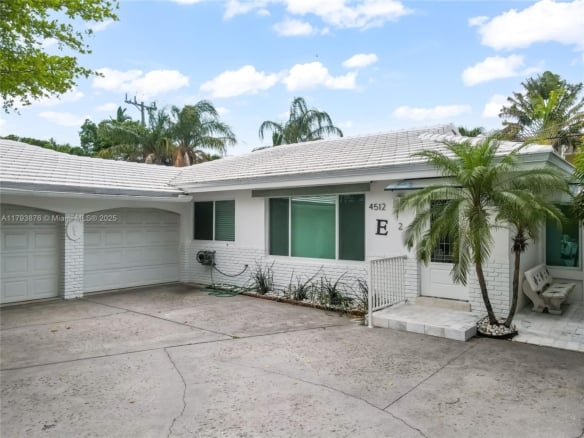
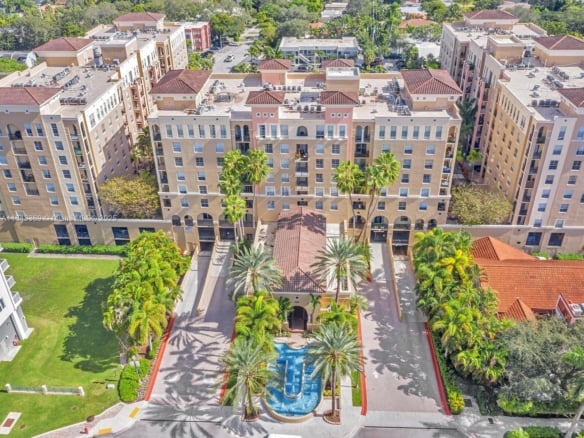
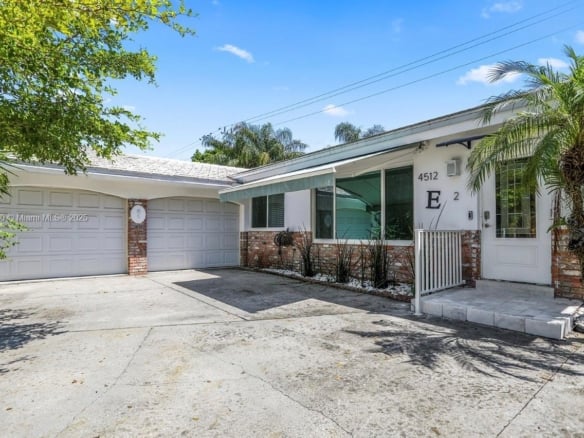
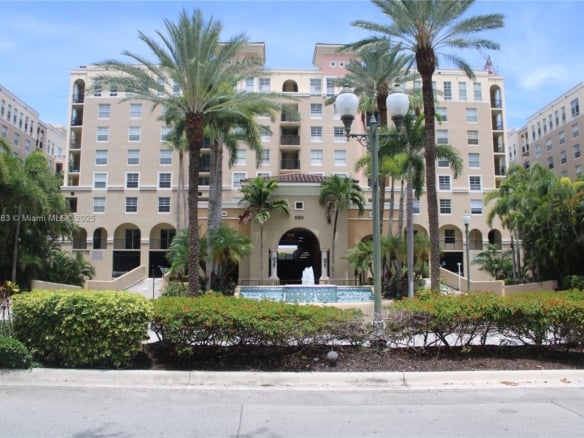
Exclusive homes. Exceptional living. Only with Lisa Mandel Russo

Discover Our finest Selection

A curated collection of luxury residences and exclusive listings.

Explore The Neightborhood​

THERE ARE DIFFERENT PROPERTY OPTIONS TO CHOOSE FROM, EACH SERVING A PURPOSE TO HELP YOU CHOOSE RIGHT.​

FAQs

The first step is getting pre-approved for a mortgage. This helps you know how much you can afford and shows sellers you’re a serious buyer.

It depends on your income, debts, down payment, and credit. A general rule: your total monthly home costs (mortgage, taxes, insurance) shouldn’t exceed 30–35% of your gross monthly income.

Typically 30–60 days from the time your offer is accepted to closing. The search phase depends on how quickly you find the right property.

If you plan to stay put for 3+ years, buying can often be more cost-effective, especially as home values and rents rise. Renting makes sense if you need flexibility or expect to move soon.

Down payments range from 0% to 20% depending on the loan:
FHA: 3.5%
Conventional: 3–20%
VA / USDA: 0%

Conventional loans: Most common, flexible options.
FHA loans: Easier approval, lower down payment.
VA loans: For veterans, no down payment.
USDA loans: For rural areas, 0% down.

Pre-qualification: Estimate based on basic info.
Pre-approval: Verified credit, income, and assets — stronger when making offers.

620+ for most conventional loans.
580+ for FHA.
Higher scores qualify you for lower interest rates.

Fees to finalize your loan and transfer ownership — typically 2–5% of the purchase price. Includes lender fees, title, insurance, and taxes.

Yes — you can ask the seller to contribute toward closing costs or negotiate with your lender for credits.

This varies by area. As a rule of thumb:
Property taxes: 1–2% of the home’s value annually.
Homeowners insurance: $800–$1,500/year depending on coverage and location.

Yes — many states and cities offer down payment assistance, reduced rates, or tax credits. Your lender or agent can connect you to local programs.

Look at factors like schools, local amenities, walkability, noise, commute times, and resale demand. Visit at different times of day to get a feel.

Check ratings on GreatSchools.org or local district websites — even if you don’t have children, good schools help boost property value.

Use public crime maps or local police data, and talk to neighbors. Your agent can help you research community reputation and trends.

Look for grocery stores, parks, gyms, hospitals, and major roads — proximity to conveniences adds both comfort and resale appeal.

If homes sell in a week or less, it’s a seller’s market — expect competition. If listings sit for 30+ days, buyers have more leverage.

Ask for ages of the roof, HVAC, water heater, and electrical. These are costly to replace, so newer systems mean fewer near-term expenses.

Review permits, disclosures, and seller notes. Professional renovations add value, but unpermitted work could cause issues later.

Sellers must disclose defects they’re aware of — but always get a home inspection to verify the condition independently.

Typically, built-in appliances, light fixtures, and window treatments stay — but ask! Some sellers exclude specific items.

Request average monthly bills for electricity, water, gas, and HOA (if any). This helps estimate total monthly costs.

Many communities have Homeowners Associations that set maintenance standards. Ask about monthly dues, rules, and any upcoming special assessments.

Your agent will analyze comparable recent sales to guide a competitive yet smart offer based on market conditions and the property’s value.

It’s a deposit (1–3%) showing good faith to the seller. It’s held in escrow and applied to your down payment or closing costs at the end.

The seller can accept, counter, or reject. Once accepted, you’ll move into inspection, appraisal, and financing before closing.

Usually 30–45 days, depending on lender processing and title clearance.

A licensed inspector checks the home’s structure, systems, and safety issues. You can negotiate repairs or credits based on findings.

Yes — inspection, appraisal, and financing contingencies protect you. If issues arise within those windows, you can withdraw without penalty.

If your finances are solid and you plan to stay at least a few years, it’s always a good time — time in the market beats timing the market.

Choose a home in a desirable, stable area with features most buyers want (3+ bedrooms, good schools, modern layout). That helps retain value.

New construction: Modern design, low maintenance, higher price.
Resale: Mature neighborhoods, established landscaping, possibly lower cost.

Plan for maintenance, repairs, utilities, HOA fees, lawn care, and property tax increases — usually about 1–3% of the home’s value annually.

Get pre-approved, offer flexible terms, write a personal letter, and keep contingencies minimal — these can make your offer more appealing to sellers.